With the rising popularity of CBD gummies UK, many consumers find themselves asking: Are these products legal? And does the presence of third-party lab results or Certificates of Analysis (COAs) mean they are safe and compliant with UK laws? In this guide, we’ll break down the crucial factors governing legality—including compliance with the UK’s THC limit, transparency around hemp sourcing, extraction methods, and how reliable third-party testing plays an essential role.
Understanding the Legal Landscape for CBD Gummies in the UK
CBD (cannabidiol) derived from hemp has been available in the UK under certain regulations. The key legal requirements include:
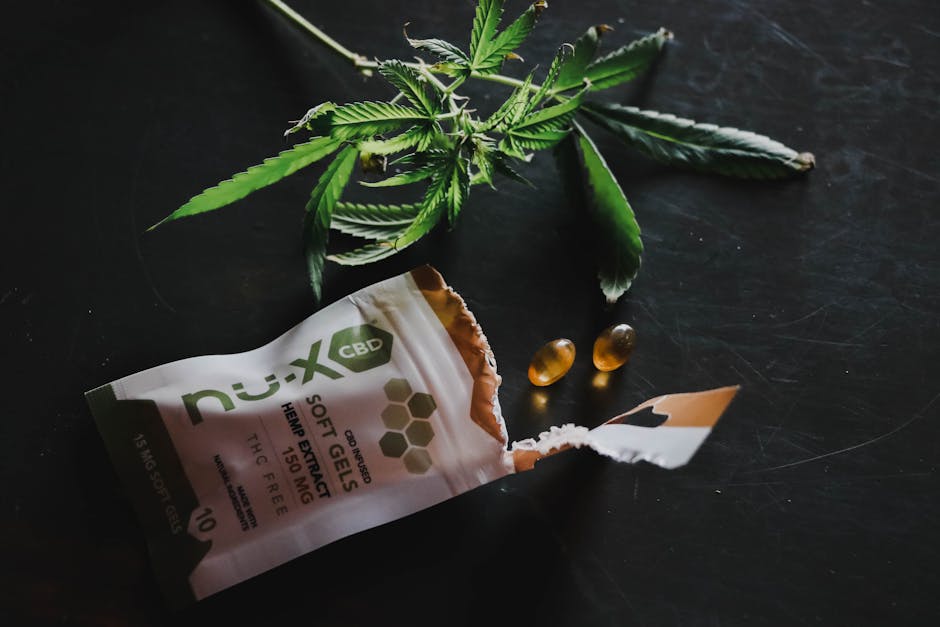
- THC content must not exceed 0.2% by dry weight in the final product – THC is the psychoactive compound in cannabis, and exceeding this limit makes the product illegal. The hemp must come from an EU-approved strain and be grown under regulated conditions to ensure purity and safety. CBD products should be correctly labeled, and manufacturers must avoid making unauthorized medical claims.
However, just because a product says it's “CBD” and includes lab testing does not automatically make it legal or safe. Let's explore why the details matter.
Why Third-Party Lab Results Matter in Legality and Trust
Third-party COAs (Certificates of Analysis) are lab reports generated by independent laboratories, not affiliated with the CBD brand. These documents verify the cannabinoid profile, including:
- Exact CBD and THC content Presence (or absence) of contaminants such as heavy metals, pesticides, and solvents Other cannabinoids and terpenes present, offering a fuller picture of the product’s quality
Having a transparent and batch-specific COA accessible—ideally via a link or a publicly viewable Issuu reader embed on the company website—is critical. It shows the product has been objectively tested, and that the THC content is within the legal boundary. Without this, brands may be hiding problematic figures or older, irrelevant test results.
Common Lab Result Red Flags to Watch
- No direct COA link or embedded viewer: If you can’t see the lab report yourself, take caution. Outdated dates: Lab analysis should be from the specific product batch you’re buying, not a generic industry standard or old batch. Missing THC numbers or confusing wording: Products dodging the explicit THC limit disclosure are suspicious—especially when brands say “THC-free” but don’t quantify limits.
The Role of Hemp Source Transparency in Legal CBD Gummies UK
The legality and safety of CBD gummies do not depend solely on lab testing; the hemp source is just as important. The UK requires hemp used in CBD products to be:
- Derived from EU-approved strains: Typically, hemp varieties with low THC content bred for industrial use and food applications. Grown under clean conditions: Avoiding contaminated soil and poor agricultural practices reduces risks of heavy metal or pesticide contamination.
Knowing the farm, region, and cultivation standards of the hemp used intel important peace-of-mind indicators. Brands that openly disclose their sourcing—offering details or certifications around organic farming practices—usually reflect a higher commitment to quality and lawfulness.
Growing Conditions and Contamination Risk
The quality of the hemp field directly affects product safety:
- Polluted soils: Industrial or urban-grown hemp can absorb toxins, including lead, mercury, and arsenic. Pesticides and herbicides: Use of harmful chemicals during growth can damage consumer health if residues carry over. Microbial contamination: Poor post-harvest handling risks mold and bacteria infiltration.
Good brands perform rigorous testing for these contamination parameters and include them in their third-party reports, reassuring customers that Look at more info gummies are both legal and safe.
Extraction Methods: CO2 vs Ethanol – Which Is Better?
How the CBD is extracted from hemp can influence both legality and product purity. The two most common methods are:
CO2 Extraction
Often considered the “gold standard,” CO2 extraction uses pressurized carbon dioxide to pull cannabinoids and terpenes from the biomass.
- Pros: Produces a clean, solvent-free extract with minimal contaminants. Allows precise control of temperature and pressure, preserving cannabinoid profiles. Cons: More expensive and requires specialized equipment.
Ethanol Extraction
Ethanol (alcohol) is used as a solvent to dissolve cannabinoids, then evaporated from the final extract.
- Pros: Lower cost and faster processing. Cons: Risks of residual solvent contamination if not purified properly. Harsh ethanol can extract chlorophyll, leading to a bitter taste and potential impurities.
Legally compliant brands usually detail their extraction method and test for residual solvents in their COAs. Many UK consumers prefer CO2-extracted CBD gummies due to higher purity standards and cleaner lab results.
Practical Tips for Buying Legal CBD Gummies UK with Trusted Lab Results
Check the THC content on the COA: Confirm that THC levels are below 0.2%. Avoid products where THC content is missing or ambiguously presented. Look for batch-specific, recent lab results: A trustworthy brand posts current, direct lab results accessible from the product page or via a dedicated Issuu embedded viewer or PDF link. Review contamination testing: Make sure heavy metals, pesticides, microbes, and residual solvents have been tested and come back clean. Assess hemp source transparency: Prioritize brands that disclose where and how their hemp is grown in the UK or EU. Prefer CO2 extraction if possible: This method generally yields purer, higher-quality gummies. Stay cautious of vague or superlative claims: Brands claiming “highest quality” but hiding lab tests or hemp origin raise red flags.Conclusion
Are CBD gummies legal in the UK if they are third-party tested? The answer isn’t a simple yes or no. Third-party lab results are absolutely essential Browse this site to verify legality—especially compliance with the strict THC limit of 0.2%. But lab reports alone don’t guarantee a safe product unless they are transparent, up-to-date, and paired with responsible hemp sourcing from clean growing conditions.
Understanding the extraction method and contamination risks further helps consumers buy CBD gummies that are not only legal but wholesome. Always demand clear evidence from brands, including batch-specific COAs available via direct download or interactive Issuu embeds, and never settle for vague wording or silence on THC content.
Whether you’re a CBD newbie or a seasoned user, staying vigilant in checking labels, lab results, and hemp transparency ensures your CBD gummy experience in the UK remains both legal and safe.
Further Reading & Resources
- UK Government Guidelines on Cannabis-Derived Products Issuu Reader for Embedded Lab Reports – Example of how trusted brands display COAs UK Cannabis Industry Association – COA Transparency