As a nurse entrenched in outpatient medication reconciliation, one of my routine — yet critical — responsibilities is reviewing patient-brought supplements during clinic intake. Among these, CBD products are increasingly common and can pose significant concerns, especially for patients on sensitive medications like warfarin, a blood thinner with a narrow therapeutic window. Understanding and accurately documenting the interaction between CBD and warfarin is essential to patient safety and effective monitoring.
This comprehensive guide walks you through what to document when a patient reports CBD use alongside warfarin, emphasizing practical details such as batch number verification, potency units, and certificate of analysis (COA) review, including tools like QR code batch lookup and the importance of date matching. I’ll also highlight trusted CBD brands pesticide screening such as Joy Organics, and certifications like USDA Organic and NSF that can support safer patient discussions.
Why COA Basics Matter in CBD and Warfarin Interaction
The COA is your nurse’s best friend when evaluating CBD supplements brought in by patients. Since warfarin dosage must be extremely precise, unknown variations in CBD product potency or contaminants could seriously affect blood clotting.
- What is a COA? A Certificate of Analysis is a third-party lab report showing the cannabinoid profile, potency, and safety testing results for a specific batch of CBD products. Why is it critical? It verifies the actual contents and potency in mg of cannabinoids, revealing potentially harmful impurities or inaccurate dosing. Limitations: Be wary of COAs without a batch number or those with vague pass/fail panels that do not provide exact numbers.
Spotting Red Flags on a COA
When reviewing COAs, I keep a concise mental checklist of red flags that could jeopardize patient safety:
Red Flag Why It Matters What to Do Missing Batch Number Without batch number, you can't assure the COA matches the product key in hand. Ask the patient to bring the actual bottle/carton and verify batch number. Pass/Fail Panels Only No numeric potency, so mg dose estimations are impossible. Request detailed COA or caution documentation noting uncertainty in dosing. No Date of Testing or Expiry May suggest outdated or irrelevant data; cannabinoid potency can degrade over time. Confirm product packaging dates to ensure freshness.Importance of Batch Number and Date Matching
One of my first steps is to always ask to see the actual bottle or packaging. Here’s why:

- Batch numbers printed on the carton or bottle must exactly match the COA batch number. This confirms the COA is for the exact product the patient is taking. Many reputable companies, such as Joy Organics, include a QR code on the packaging that patients can scan to automatically retrieve batch-specific lab results via a batch lookup tool. Expiration or manufacture dates on packaging ensure the potency numbers on the COA are still applicable – especially important since cannabinoid levels can diminish over time.
Without matching batch and date information, the COA is essentially unverifiable, making dosage extraction unreliable.
Understanding Potency Units and Serving Size
Effective documentation centers on translating COA cannabinoid contents into meaningful mg doses reflecting how the patient actually uses the product.
Key points to record:
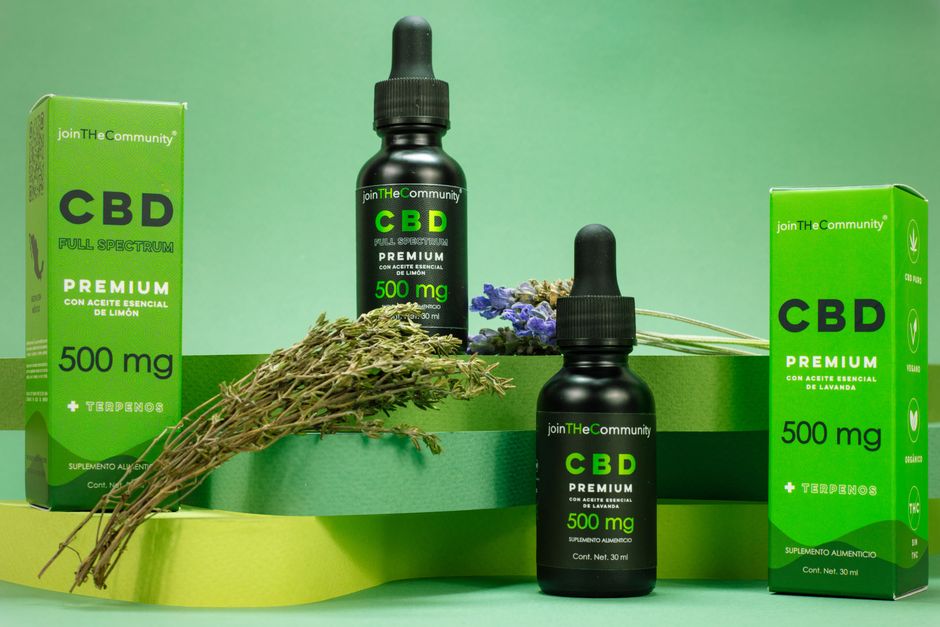
- Potency units: COAs typically present cannabinoid amounts in mg/mL (for oils/tinctures) or mg/g (for flower/extracts). Documentation should first note these standard units. Serving size: The label may list a serving as “1 dropper,” “1 mL,” or “1 gummy.” Document this specifically, then document how the patient reports taking it — e.g., "patient takes 0.5 mL twice daily." Calculate mg dose taken per administration based on serving size and potency numbers from the COA.
For example: If the COA shows 25 mg CBD per 1 mL, and the patient takes 0.5 mL twice daily, the effective dose is 12.5 mg CBD each dose, totaling 25 mg daily.
Documenting Acid vs Neutral Cannabinoids and Total Calculations
Some COAs https://highstylife.com/are-supplements-regulated-like-drugs-in-the-united-states/ specify both acidic cannabinoid forms (e.g., CBDA) and their neutral counterparts (e.g., CBD). Since acidic cannabinoids convert when heated, most consumable CBD products show a combination.
- Why this matters: Total cannabinoid content should sum both forms for a true potency estimate. COA often reports: CBDA and CBD separately, sometimes with conversion factors (e.g., CBDA × 0.877 to calculate CBD equivalence). Clinical relevance: For warfarin interaction monitoring, total CBD equivalents (neutral + acid converted) are most useful.
Always note the patient’s actual product’s cannabinoid profile, total mg dose per serving, and frequency of use in the record.
Why Monitoring Risk is Essential with Warfarin and CBD
Warfarin’s narrow therapeutic window means small changes in drug metabolism can cause serious bleeding or clotting problems. CBD inhibits cytochrome P450 enzymes involved in warfarin metabolism, potentially increasing warfarin blood levels.
- Documentation should specify the CBD product name, batch number, mg doses, and serving frequency. Inform patients and prescribers about the potential interaction risk and encourage more frequent INR monitoring. Note any changes in warfarin dose requirements or bleeding events in follow-up visits.
Trusted Brands and Certifications for Safer Patient Counseling
When patients bring CBD products into the clinic, it helps to recognize reputable companies and certifications that indicate better quality controls, aiding risk assessment.
- Joy Organics: Known for providing detailed COAs with batch-specific QR codes and transparent potency information. USDA Organic certification: Indicates the product is produced under strict organic farming practices, free from many contaminants. NSF certification: Suggests this third-party body monitors manufacturing practices for safety and label accuracy.
These markers do not eliminate interaction risks but improve confidence in documented potency and safety.
Summary: Practical Documentation Tips
Always request to see the physical CBD bottle or carton. Verify the batch number on packaging matches the COA. Scan any available QR code to verify COA authenticity via batch lookup. Check dates to confirm COA testing is current and product is not expired. Note exact potency units (mg/mL or mg/g) and serving size described. Calculate the actual mg dose per administration based on patient usage. Include information on acidic and neutral cannabinoids and total potency calculations. Document brand names and certifications like Joy Organics, USDA Organic, or NSF to support quality discussions. Highlight the interaction risk with warfarin and recommend closer INR monitoring.As nurses and clinicians, clear and thorough documentation helps protect our patients by ensuring prescribers have accurate, actionable information to guide safer therapy decisions.
Remember: good CBD documentation isn’t just about writing details — it’s about verifying product details right at intake to ensure we’re basing clinical decisions on trusted, precise data.