If you’ve ever popped a decongestant in the evening only to find yourself tossing and turning hours later, you’re not alone. Many people ask: “Why do decongestants keep me up at night?” Understanding the science behind these common OTC medications, their stimulant effects, and how our body's sleep patterns change with age can shed light on this frustrating phenomenon. In this blog cool bedroom temperature post, we'll explore why decongestants act as nighttime insomnia triggers and share tips to protect your sleep health—especially after age 50.
The Stimulant Effects of OTC Decongestants
Before diving into sleep and aging, let’s talk about the medication itself. Common cold and allergy remedies often include decongestants like pseudoephedrine and phenylephrine. These ingredients constrict blood vessels in your nasal passages, easing swelling and congestion.
But here’s the catch: decongestants are vasoconstrictors that stimulate your nervous system, similar to caffeine. This makes them stimulant effects OTC, which can boost alertness and heart rate. For many, especially those sensitive to stimulants, this effect can linger long after the nasal congestion eases.
Taking these medicines later in the day can disrupt your ability to fall asleep or stay asleep. You might notice:
- Difficulty falling asleep Light, restless sleep Waking up frequently throughout the night
What time do you take it?
This is the golden question. Taking a decongestant in the morning or early afternoon may avoid most sleep interference. However, evening doses are prime suspects for nighttime insomnia triggers.
How Your Sleep Changes as You Age
Now, let’s look at how your body's sleep architecture shifts with age, making you more vulnerable to stimulant disruptions at night.
Decline in Deep Sleep
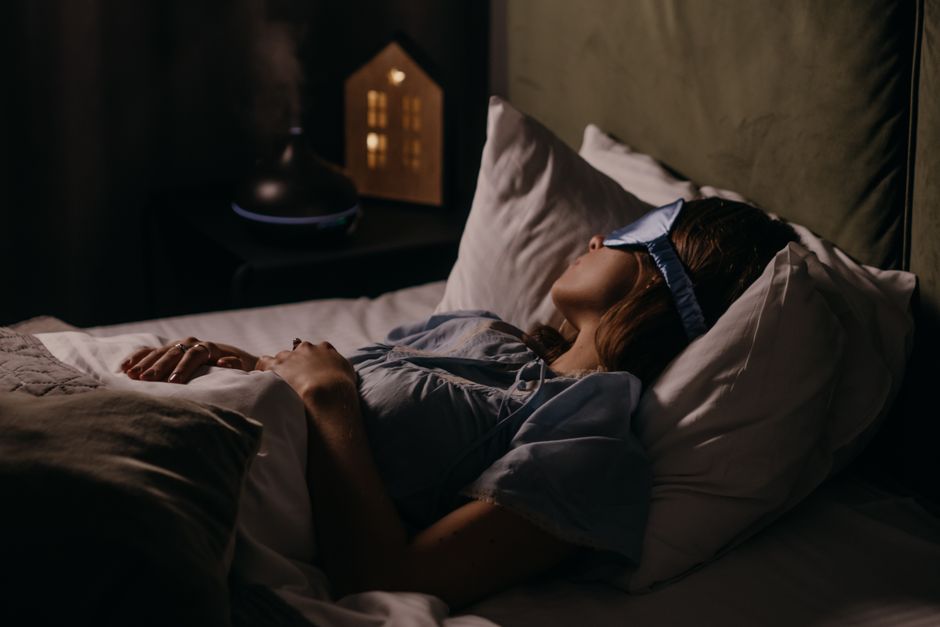
Deep sleep—the restorative, slow-wave phase of your nightly rest—significantly declines after age 50. This stage helps your body detox, repair muscles, and consolidate memory. When deep sleep decreases, your overall sleep becomes lighter and less restorative.
Lighter Sleep is Easier to Interrupt
As deep sleep wanes, the lighter stages dominate your sleep cycle, which are easier to wake from. Coupled with stimulant effects from medications, your risk of fragmented sleep increases dramatically.
Circadian Rhythm Shifts Earlier
After 50, many people experience a circadian rhythm shift leading to earlier bedtimes and wake times. This phenomenon, sometimes called “advanced sleep phase syndrome,” means your internal clock expects you to wind down earlier. But a stimulant like a late-day decongestant throws a wrench in that process, causing difficulty falling asleep when your body actually wants to.
Morning Light: The Natural, Free Fix
Here’s a porch-coffee example to explain why morning light is crucial: just like your first sip of coffee awakens you, morning sunlight cues your brain's circadian clock to start the day. This exposure resets your internal rhythm, helping ensure deeper sleep at night and more alertness during daytime.
How Morning Light Helps
Boosts Melatonin Regulation – Morning light signals your brain to reduce melatonin, the sleep hormone, and then ramps it up again come evening. Sharpens Circadian Timing – It helps realign your internal clock so you fall asleep more easily at your intended bedtime. Counteracts Aging Sleep Patterns – It improves sleep quality in older adults by promoting healthier rhythms.Try stepping outside for 15-30 minutes of natural daylight within an hour of waking. If that’s tough, bright indoor light therapy boxes work too.
How to Avoid Decongestant Sleep Traps
Here’s a short list of sleep aisle traps I keep on a sticky note for myself and readers alike:
- Check when you are taking your decongestant; avoid late afternoon/evening. Consider alternatives that don’t contain stimulants, like nasal saline sprays or steam inhalation. Consult your doctor about underlying allergies or sinus issues if over-the-counter meds aren’t working. Use natural remedies early in the day and reserve stimulant-based meds for mornings only.
Summary Table: Decongestants and Sleep
Factor Impact on Sleep Advice Decongestants (pseudoephedrine, phenylephrine) Stimulates nervous system, causes insomnia Avoid use within 6-8 hours of bedtime Age-related changes Less deep sleep; more sensitive to disruptions Prioritize good sleep hygiene and morning light exposure Circadian rhythm shifts Earlier sleep and wake times, easier to feel alert late at night Set consistent, early bedtime and wake time Morning light Resets circadian rhythm, improves sleep quality Get 15-30 mins of sunlight daily within 1 hour of wakingFinal Thoughts
The next time you reach for a nighttime decongestant, pause and ask yourself, “What time do I take this?” Even though these medications can provide quick relief for congestion, their stimulant effects might cost you a night of solid sleep, especially as your body adjusts with age.
Pair sensible medication timing with natural rhythm supports—such as morning light exposure—and you’ll improve your chances diphenhydramine pm sleep aids of both nasal relief and restful sleep.

Connect with Us
Follow us for more health tips and updates:
Sweet dreams and clear noses!